When people hear the term fungi, they usually think of mushrooms. Indeed, the word fungus is a Latin word meaning mushroom. However, most fungal species are microscopic and include the moulds, rusts, yeasts and mildews.
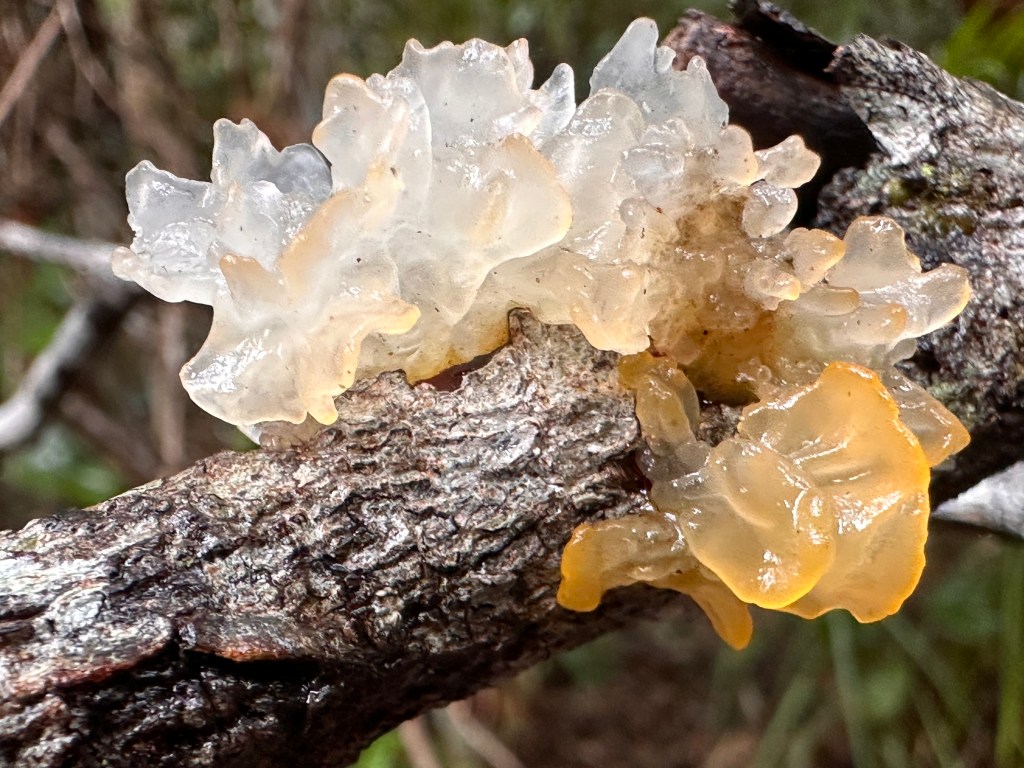
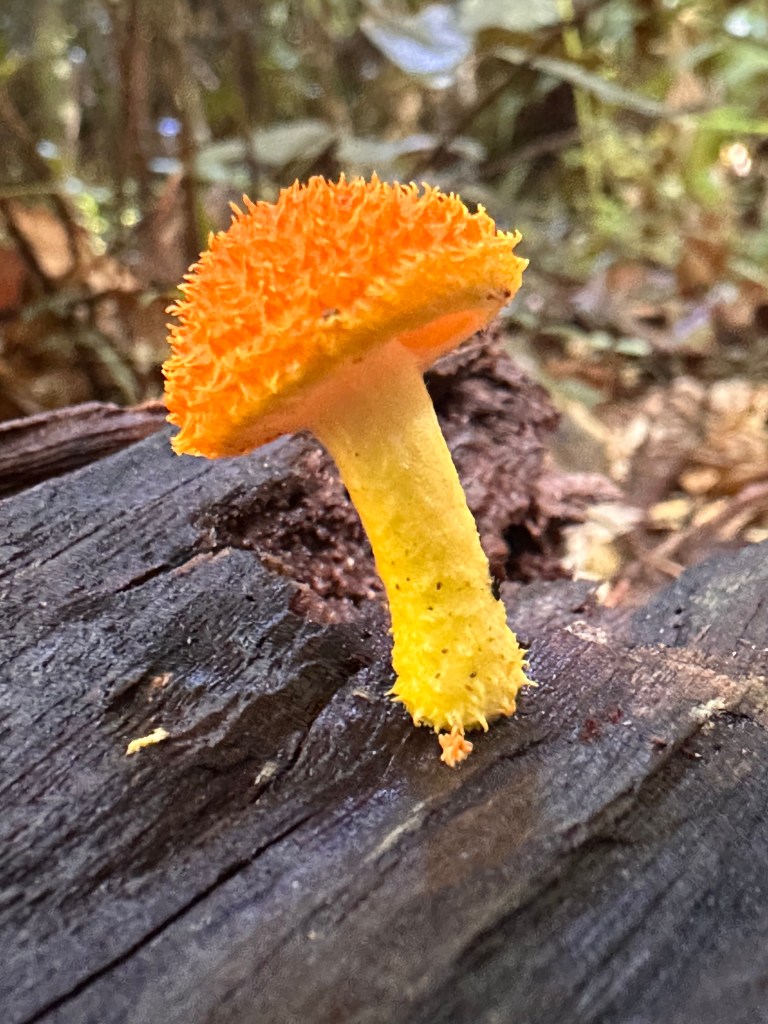
Fungi are possibly the second most diverse group of organisms after the insects. There are estimates that the number of species of fungi is somewhere between 1.5 and 5 million, but there are only around 120,000 species that have been formally described by scientists (mycologists). The vast majority are still to be discovered and described so it is likely that huge numbers will go extinct before we can find them all.
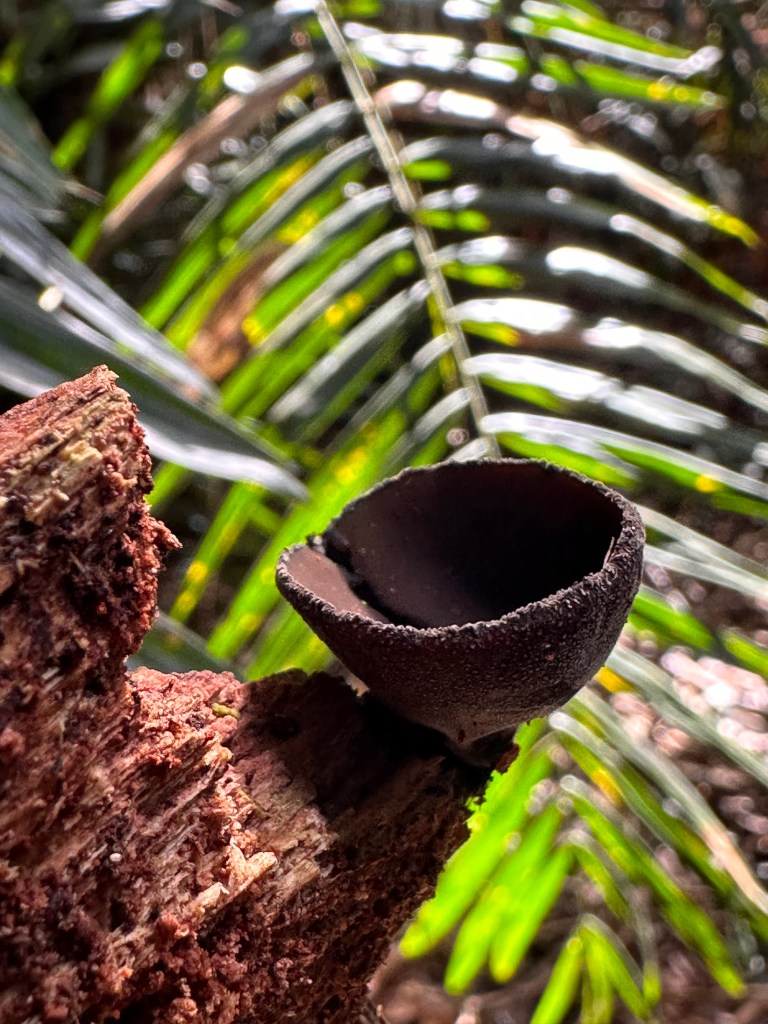
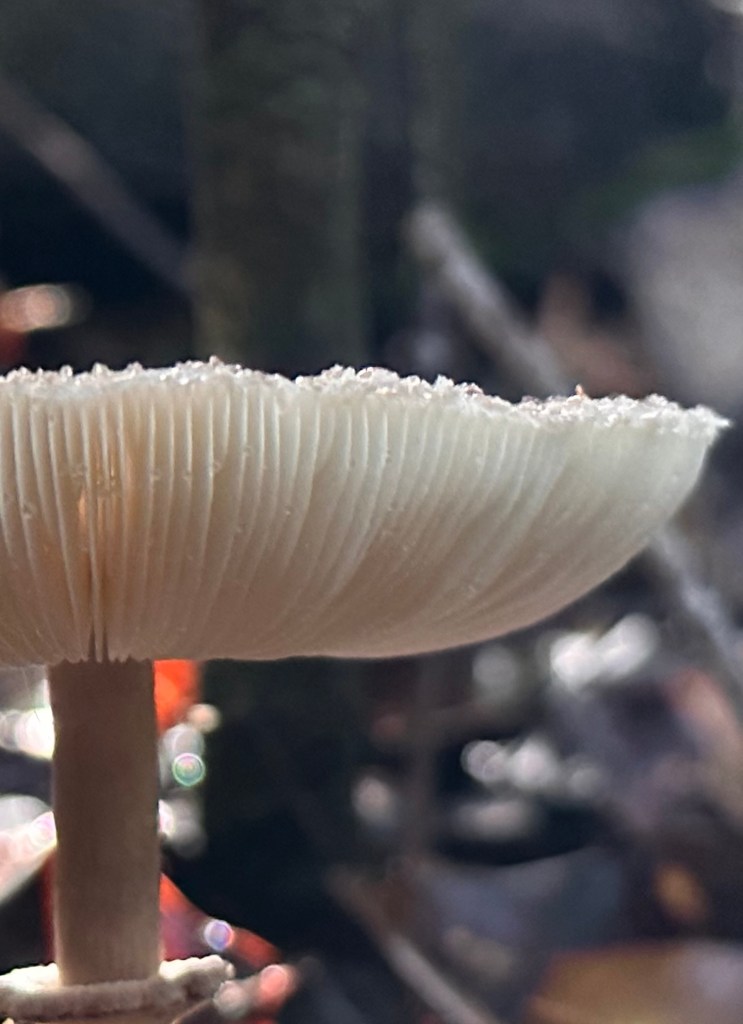
Another key trait of fungi is that they aren’t mobile, except for their spores which are mostly dispersed in the air. Fungi are also known for absorbing their food from the environment by breaking down pretty much all forms of organic matter – alive or dead.
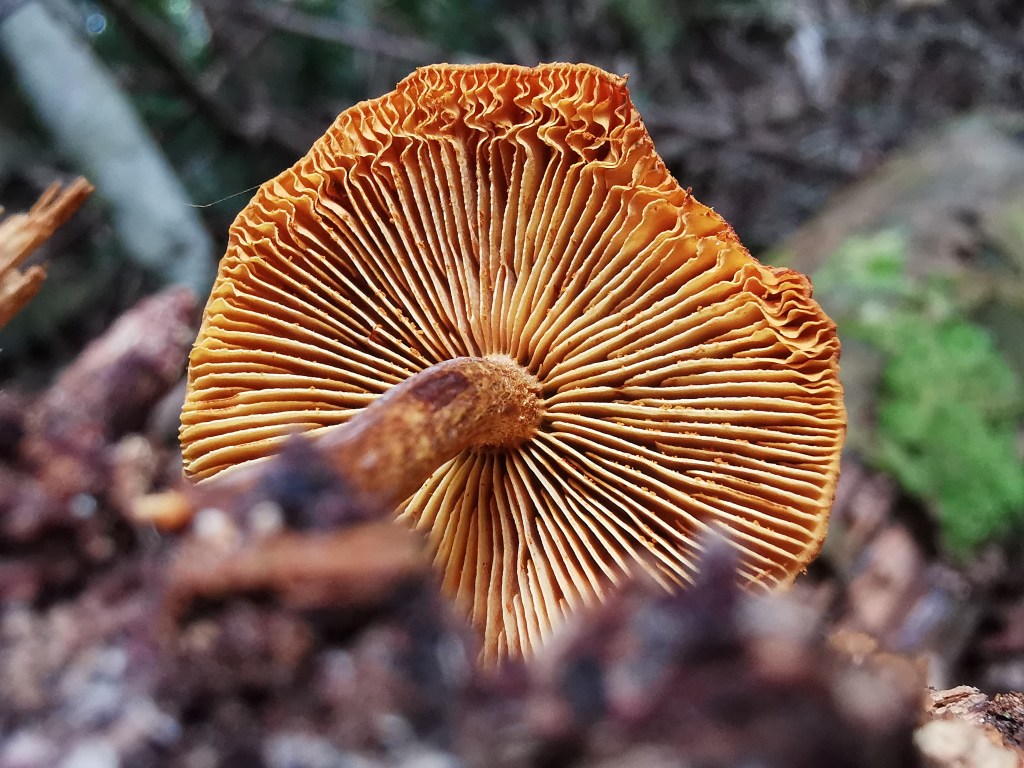
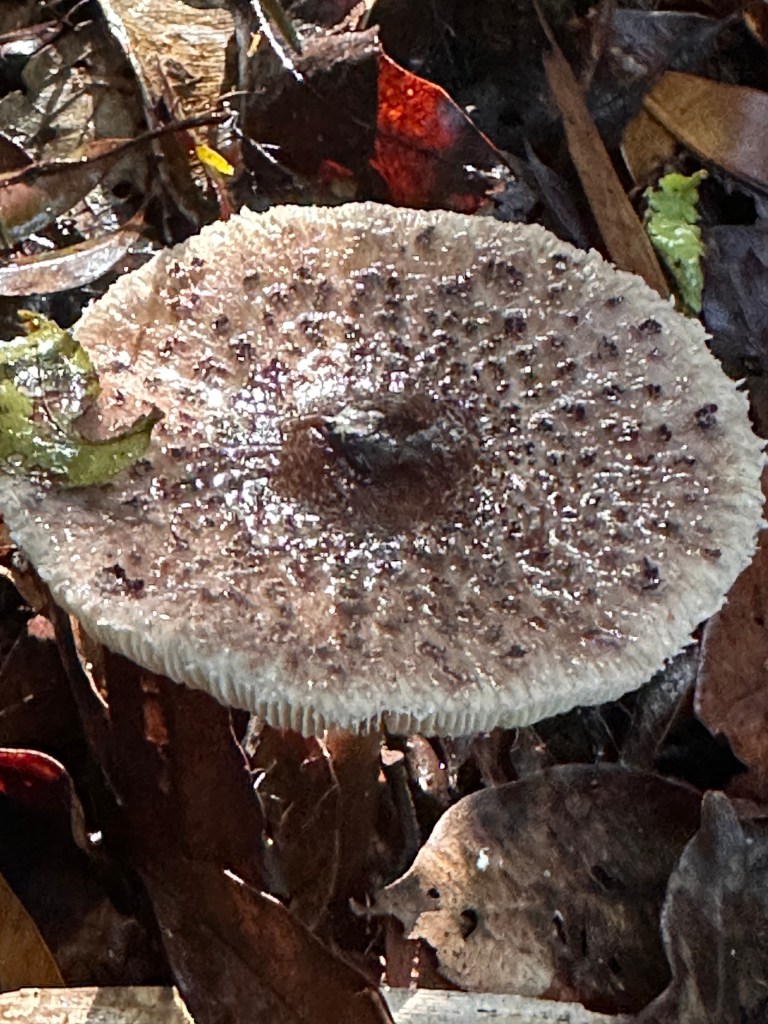
Then of course there are a range of fungi that we eat such as the common button mushroom, oyster mushrooms, shitake, saffron milk caps, porcini, slippery jacks, and of course white and black truffles. Black truffles are the most expensive food in the world selling for around $6000-7000 per kg!
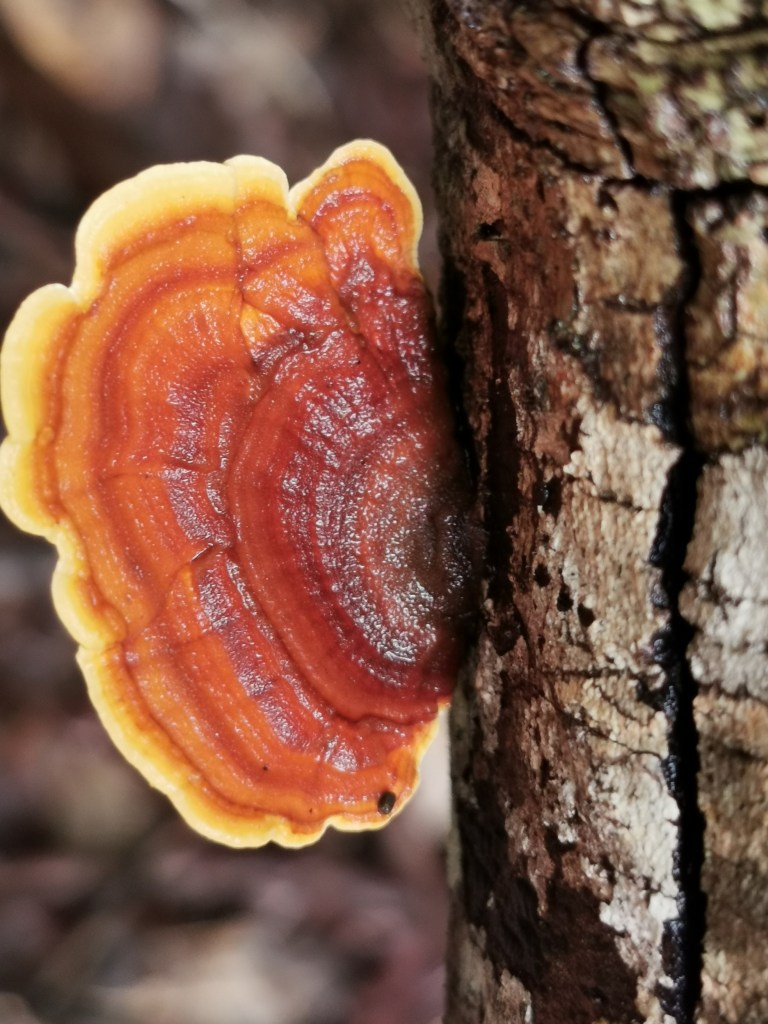
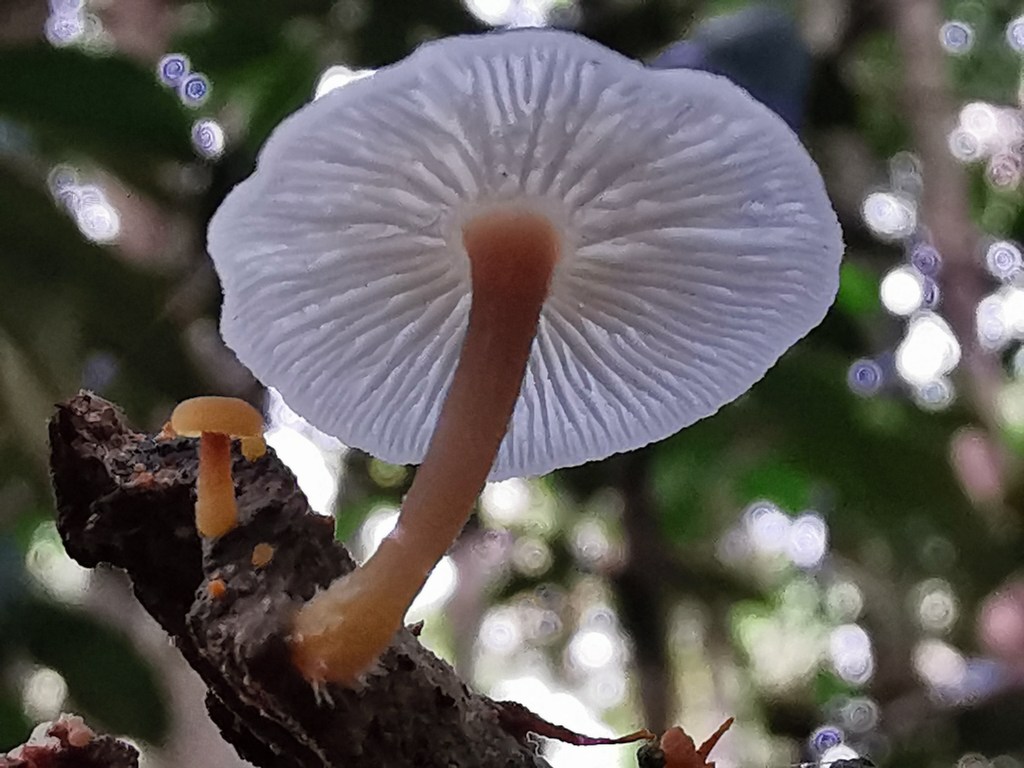
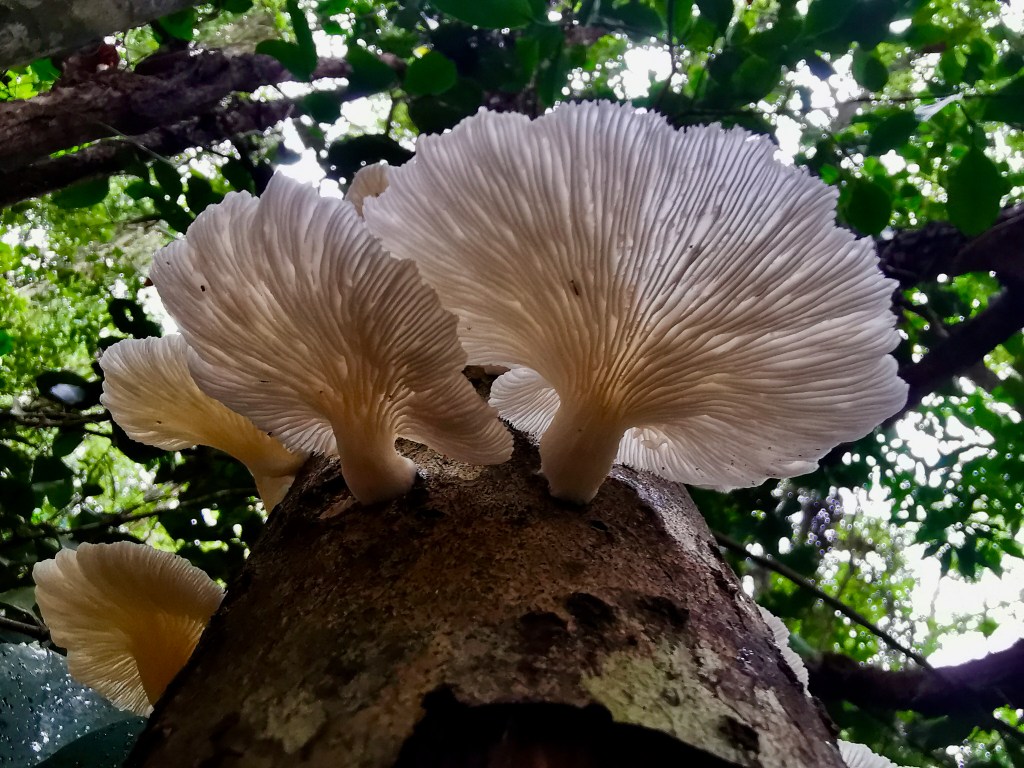
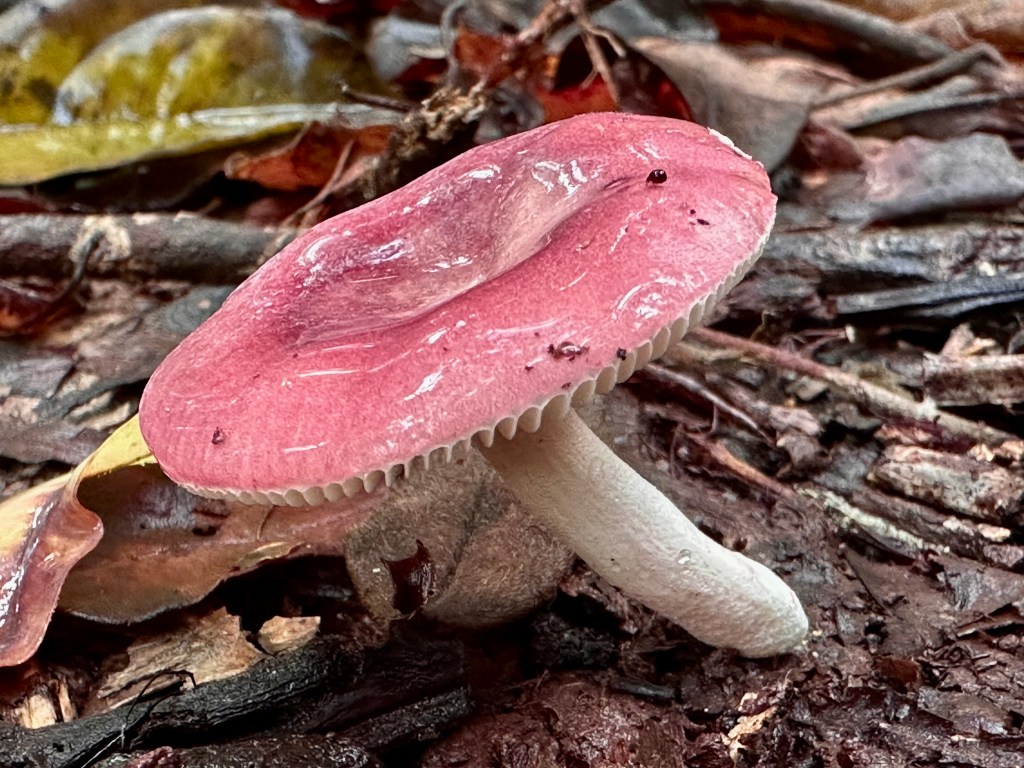
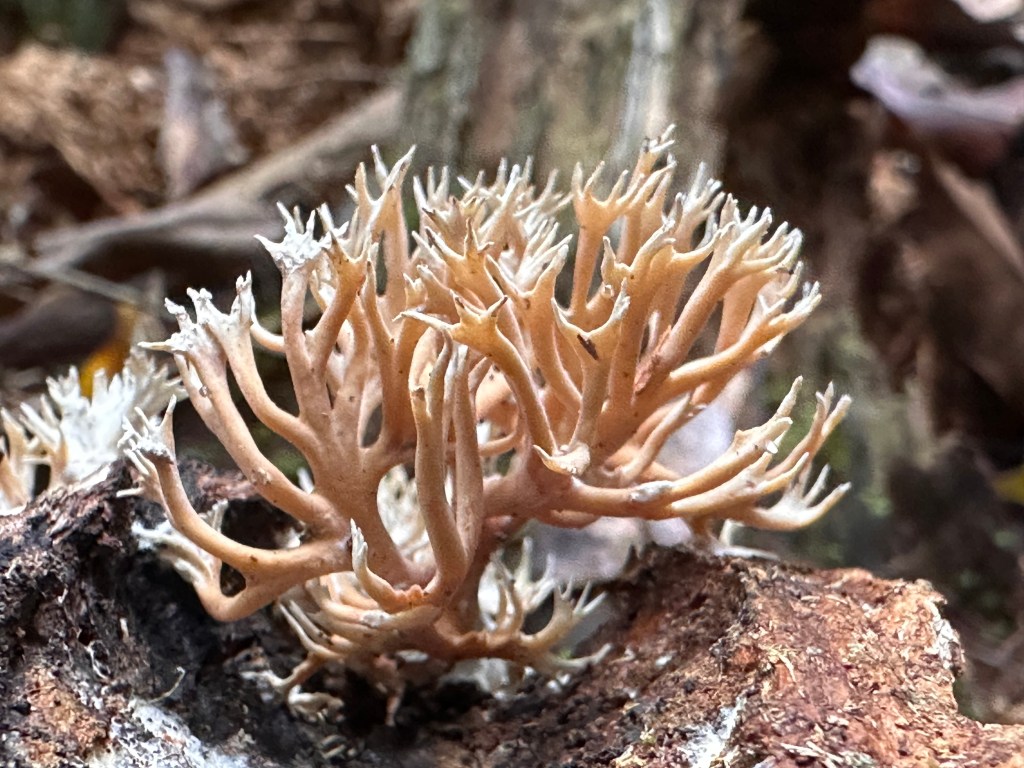
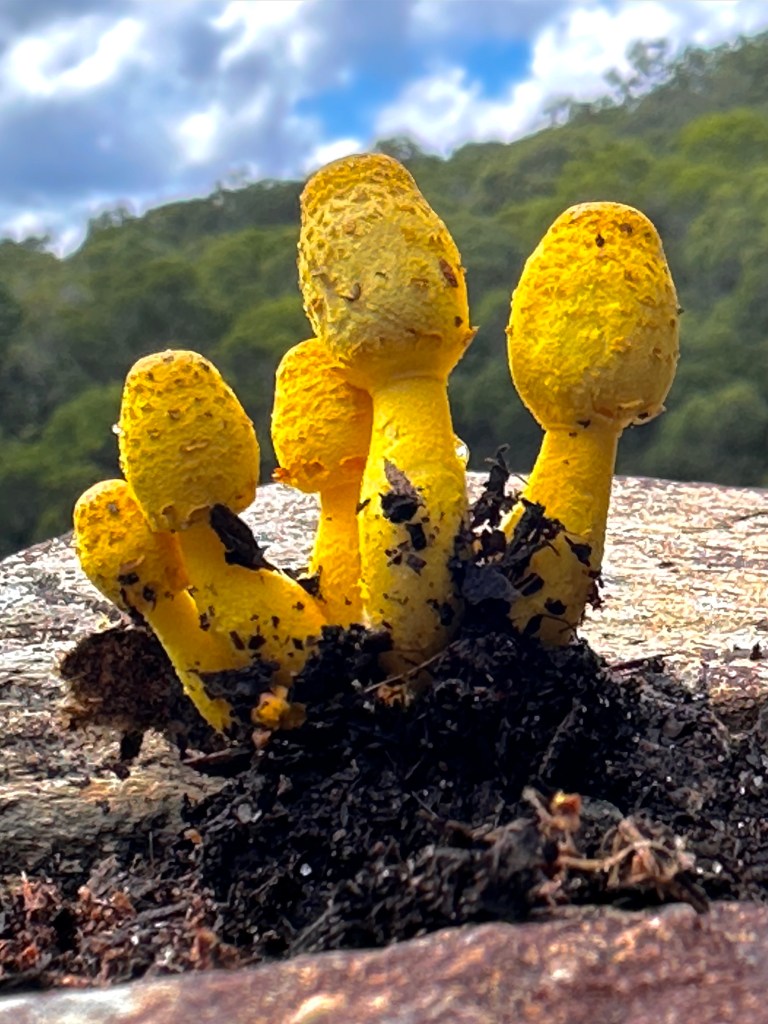
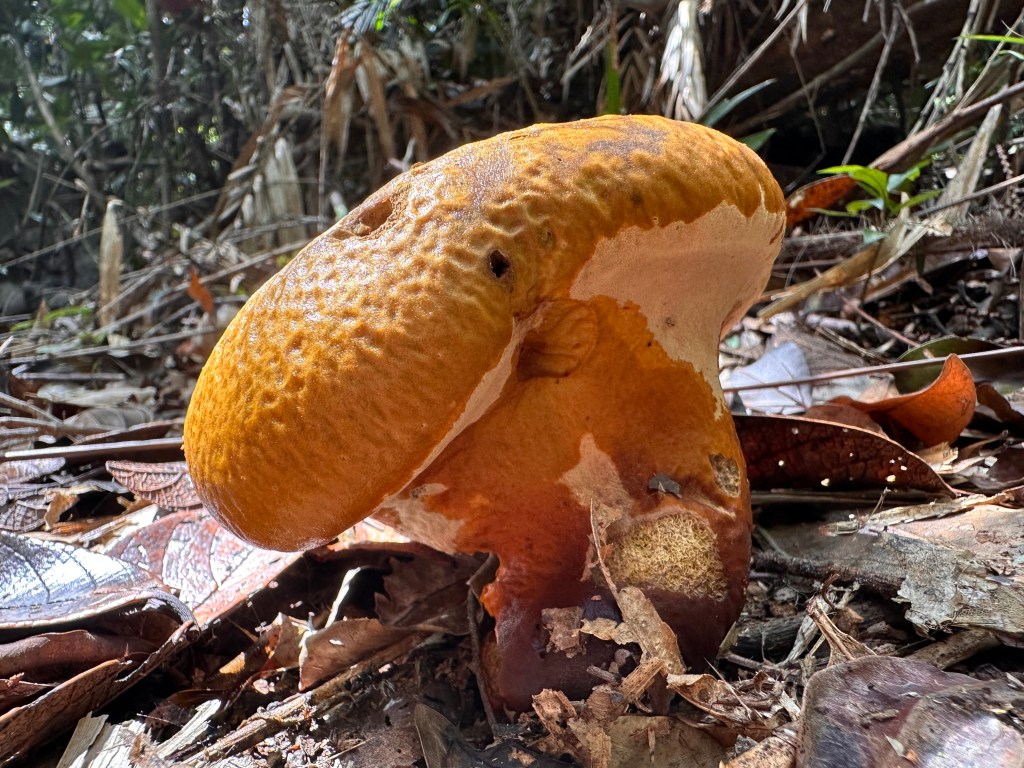
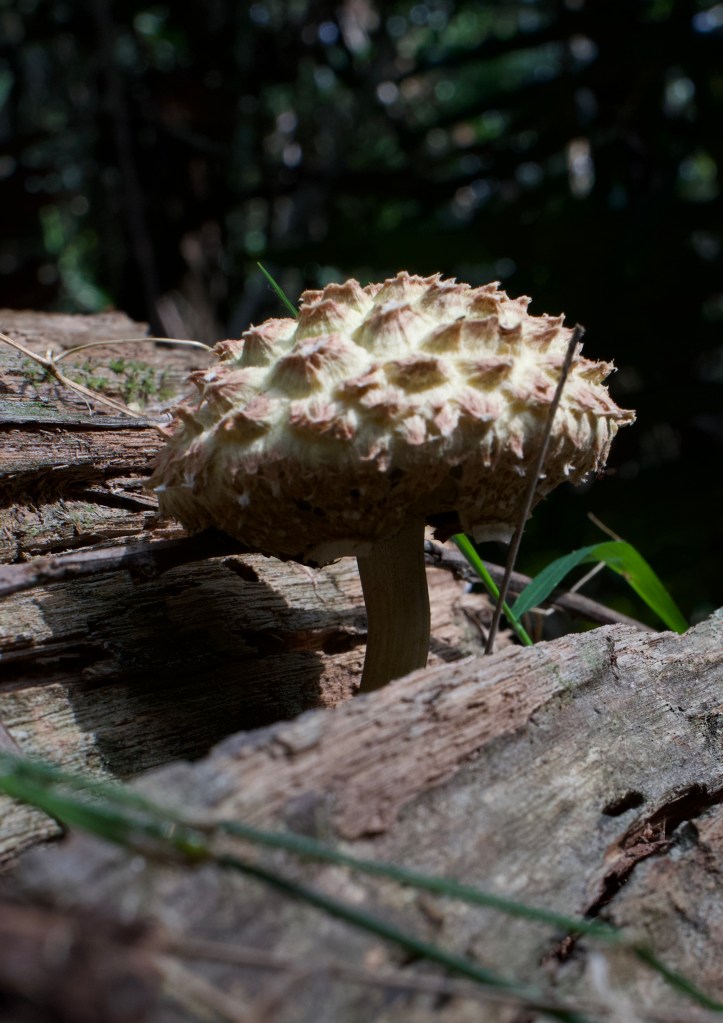
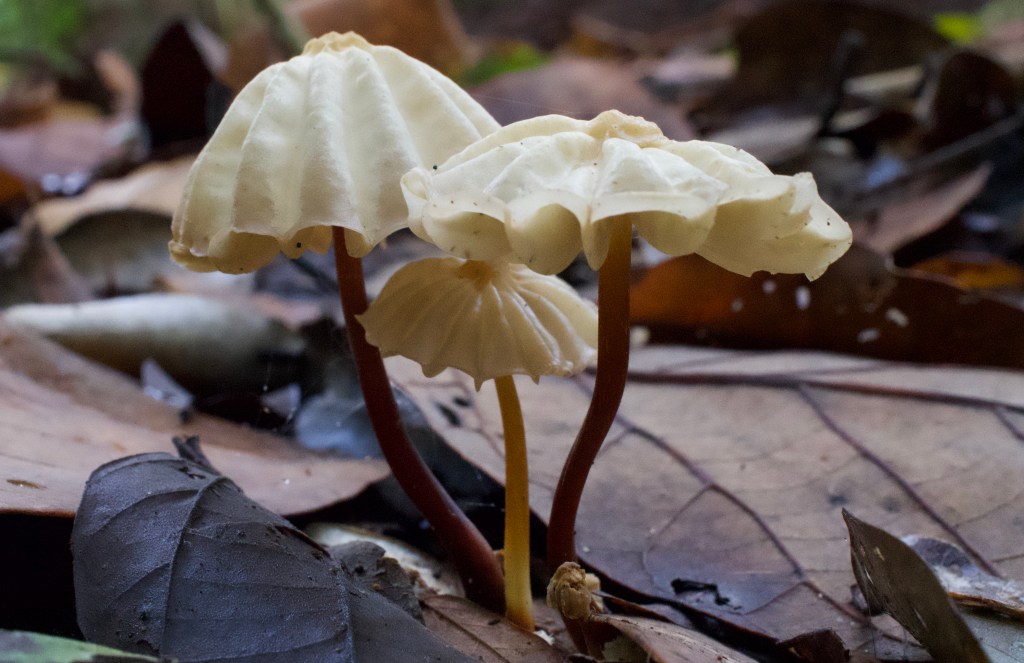
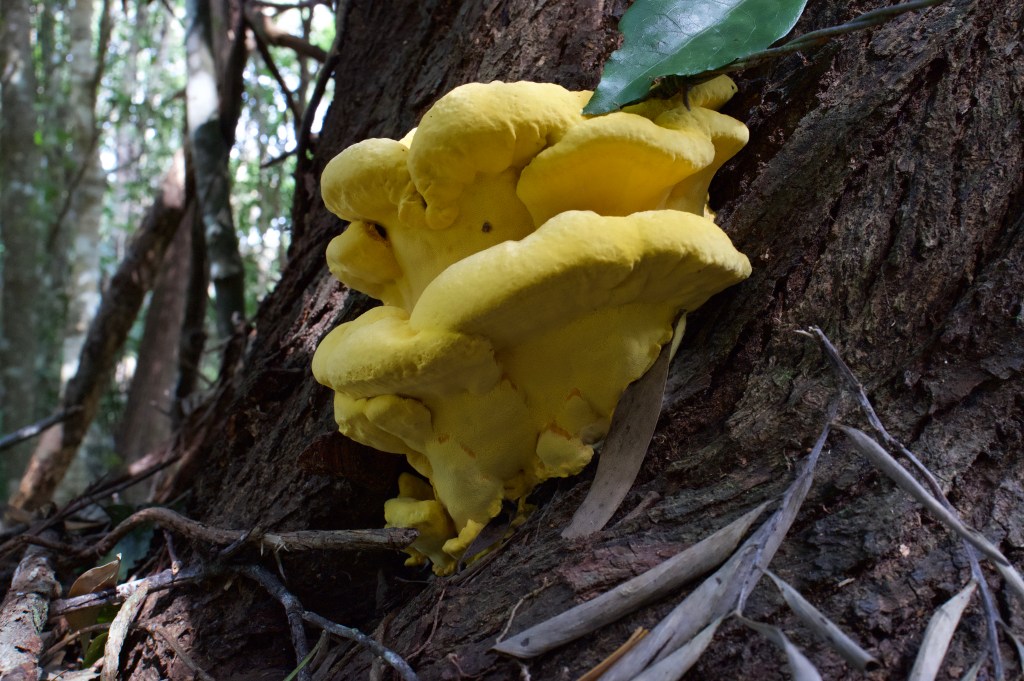
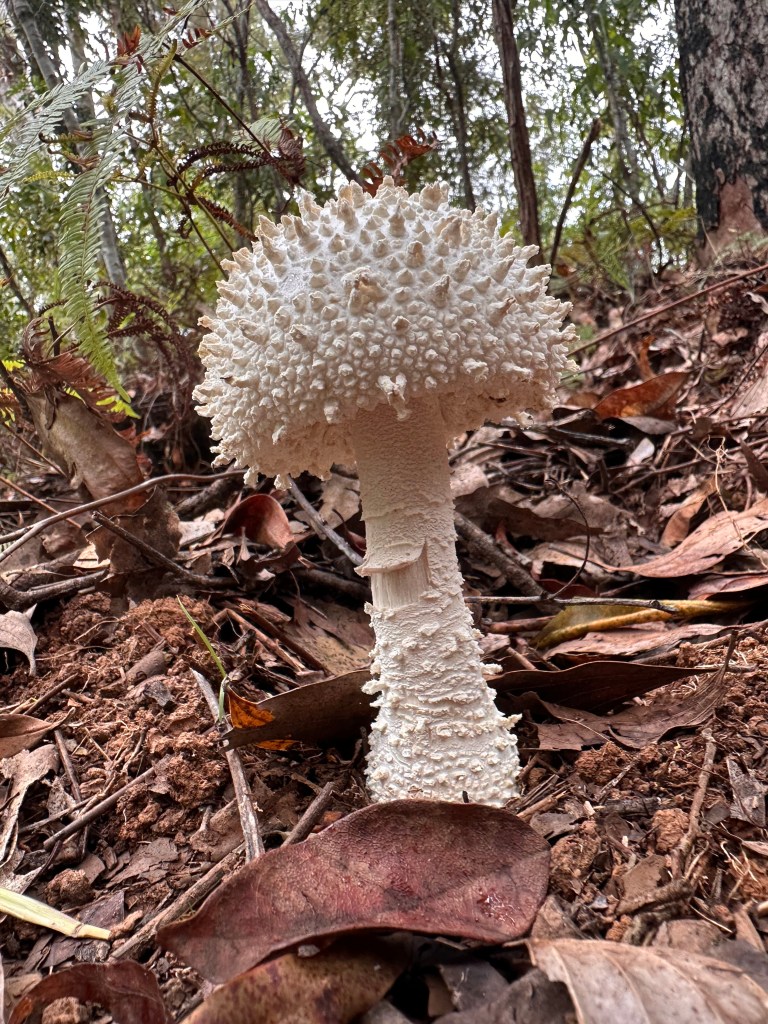
Photographing fungi its a good idea to get down level with the subject and record some of the environment that supports that variety, After some repeat visits to the area you will begin to understand “spot Specific types ” .
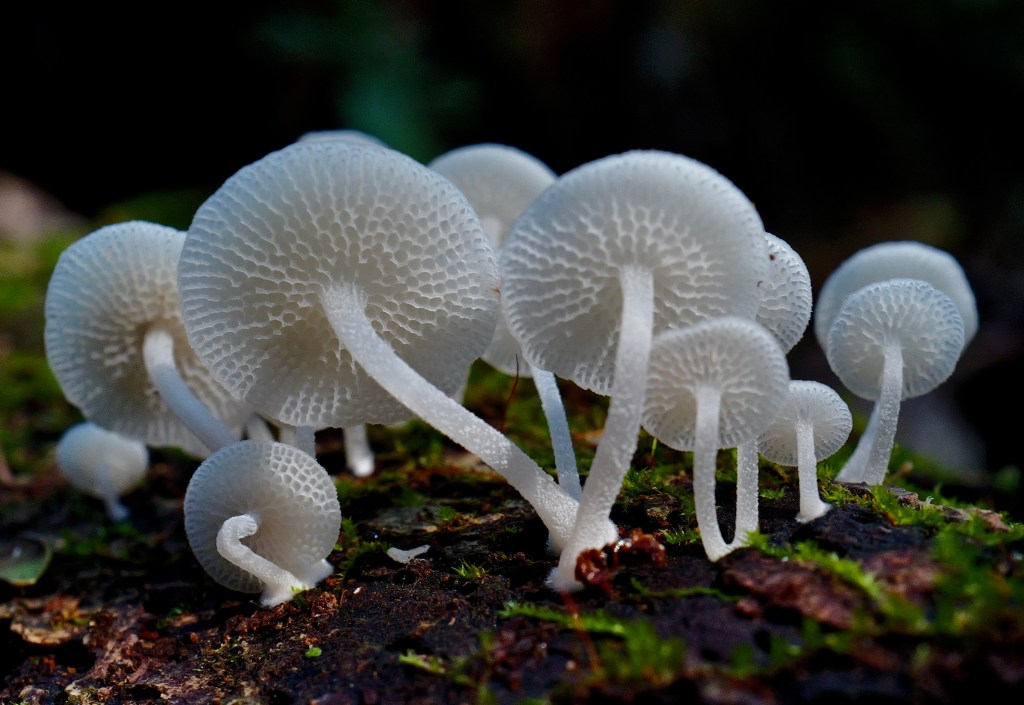
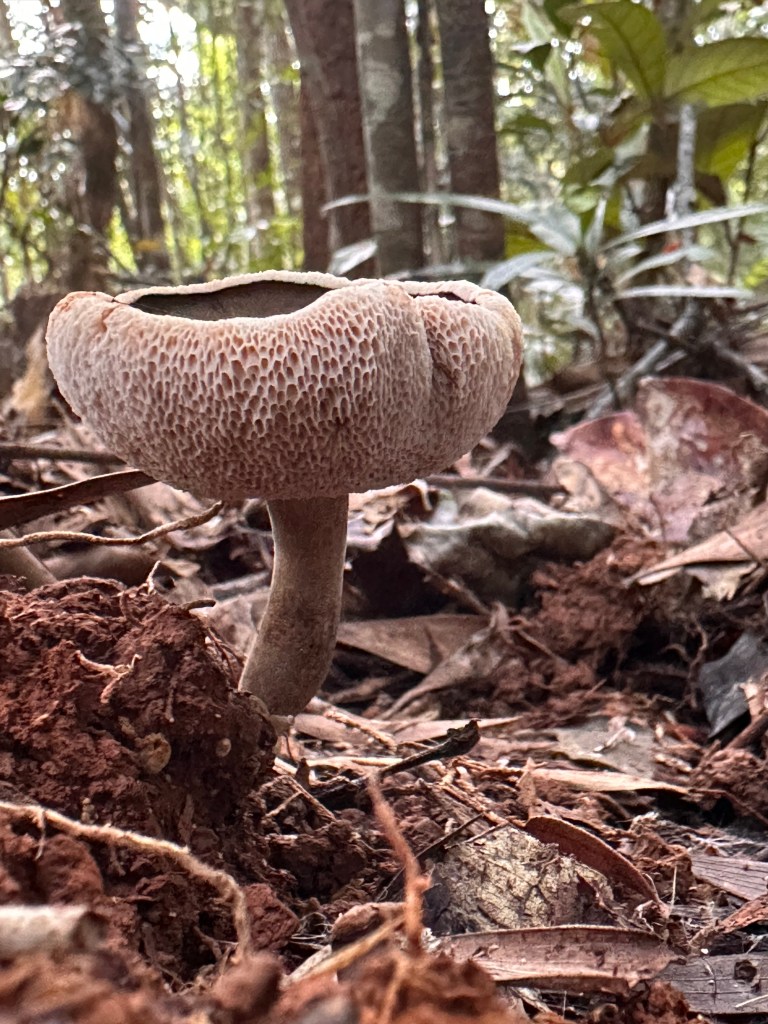
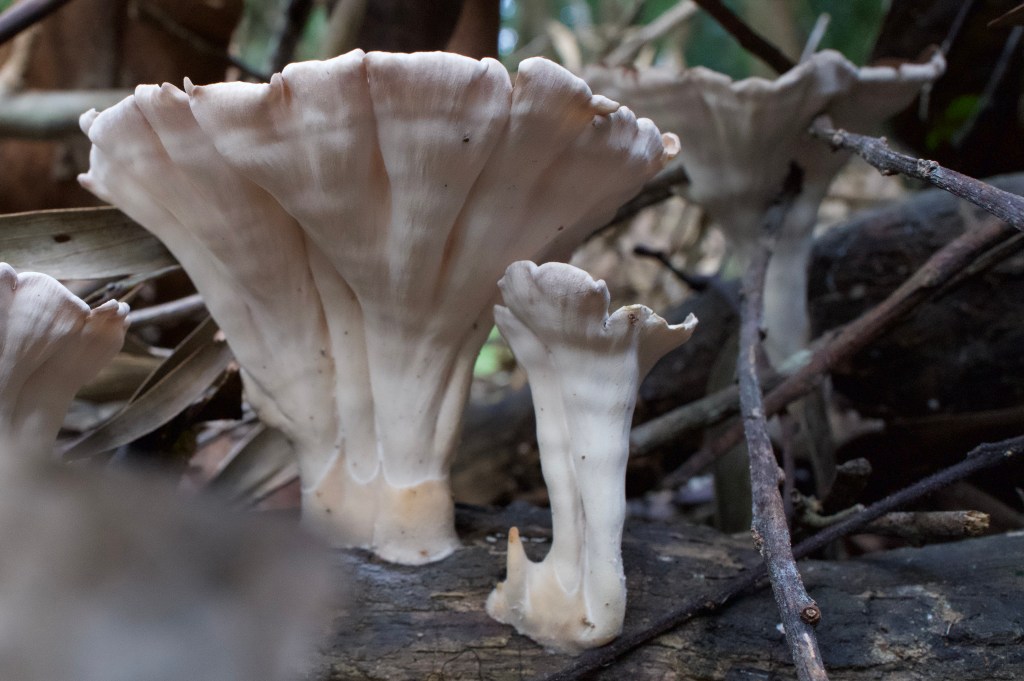
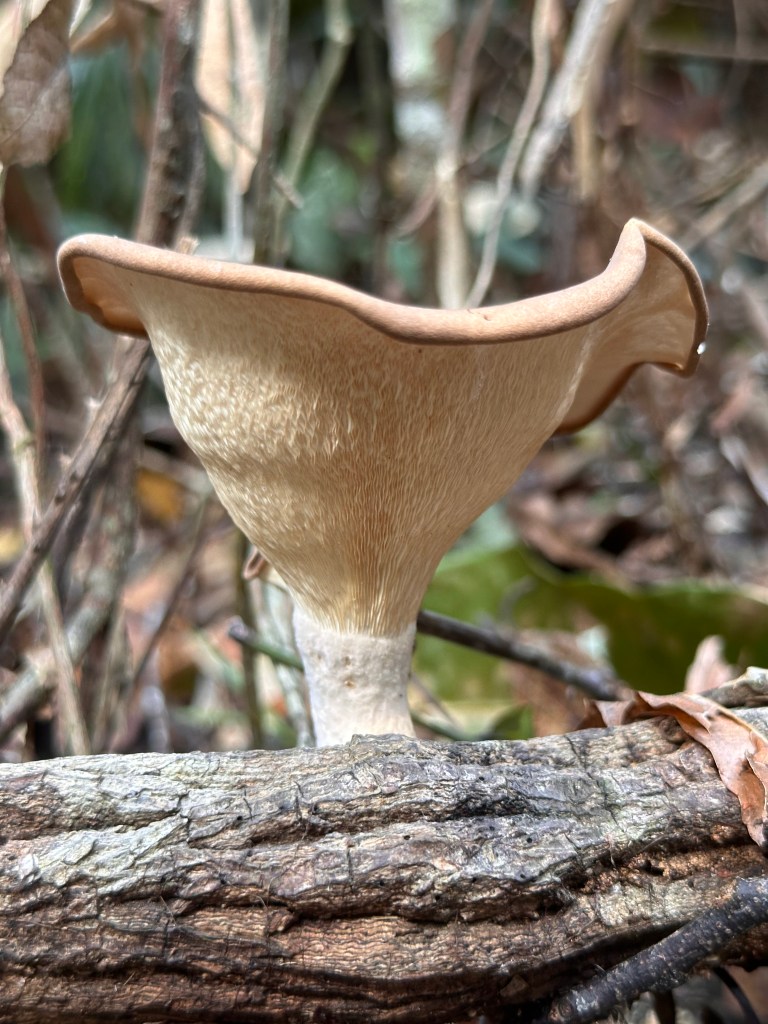
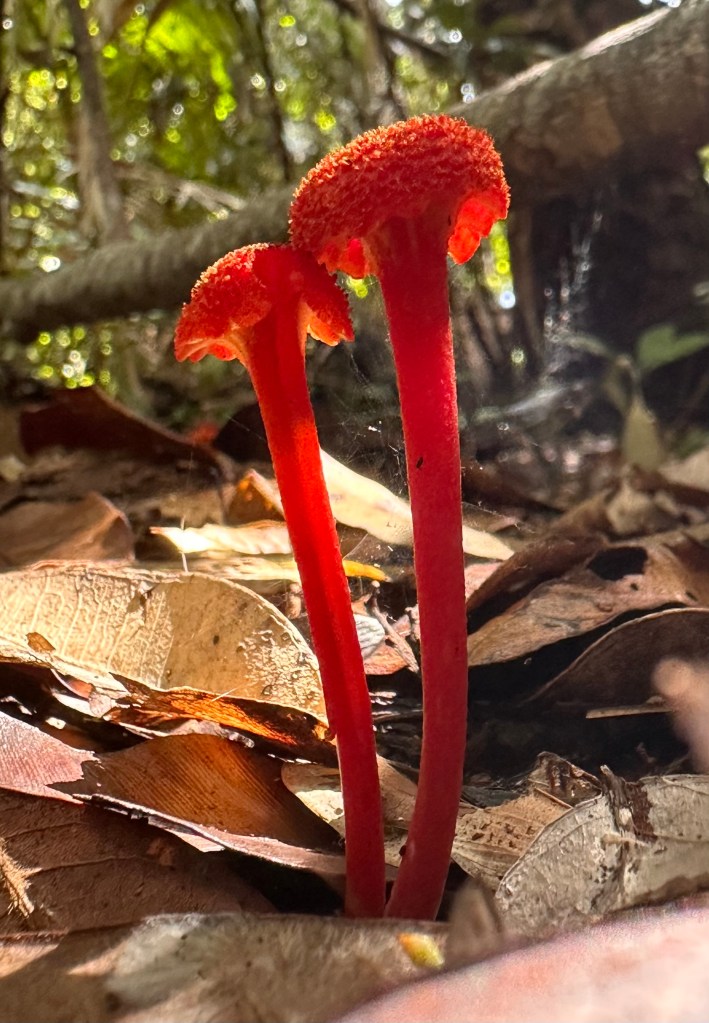
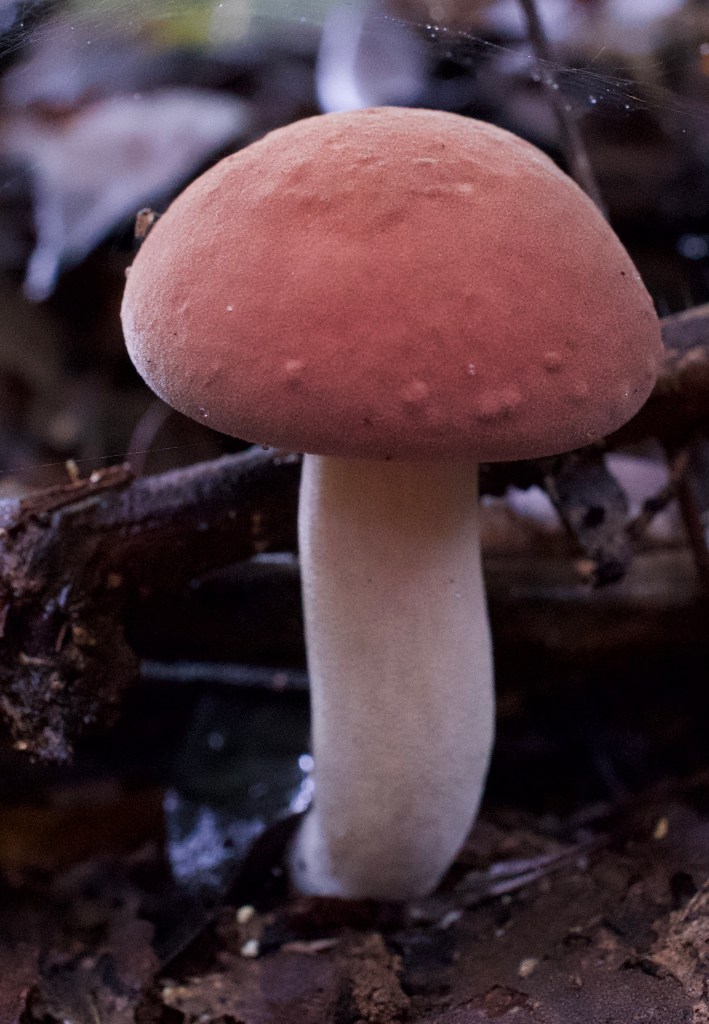
Fungi can cause problems in two very important ways. Firstly, as disease causing agents of plants, animals and humans and secondly, by producing toxins that other creatures ingest. The impact of plant diseases by fungi has been known since ancient times with the Romans having two gods, Robigo and Robigus. It was necessary for the people of Rome to appease them to ensure their grain crops were not affected by rust disease.Most fungi are good guys and they are nature’s great recyclers and decomposers. If it wasn’t for the fungi the planet would be covered in masses of dead plant and animal matter.
Fungi contain a complex array of enzymes that break down cellulose and lignin, the key chemicals in plants and timber. They subsequently turn these into simple chemicals that can be more easily absorbed by plant roots so that they can grow more effectively. Nearly all trees have fungi growing on them called mycorrhizae, which help them extract nutrients from the soil.
Fungi are also essential for creating hollows in trees, which are critical habitats for birds, mammals, reptiles and all sorts of creatures. They also take advantage of every food resource .
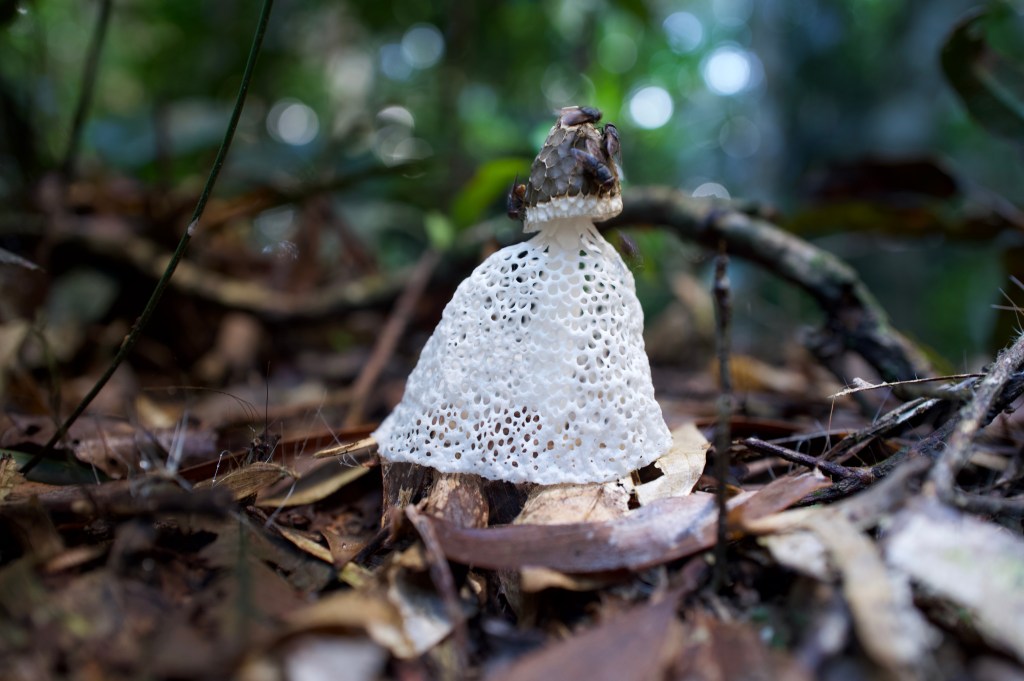
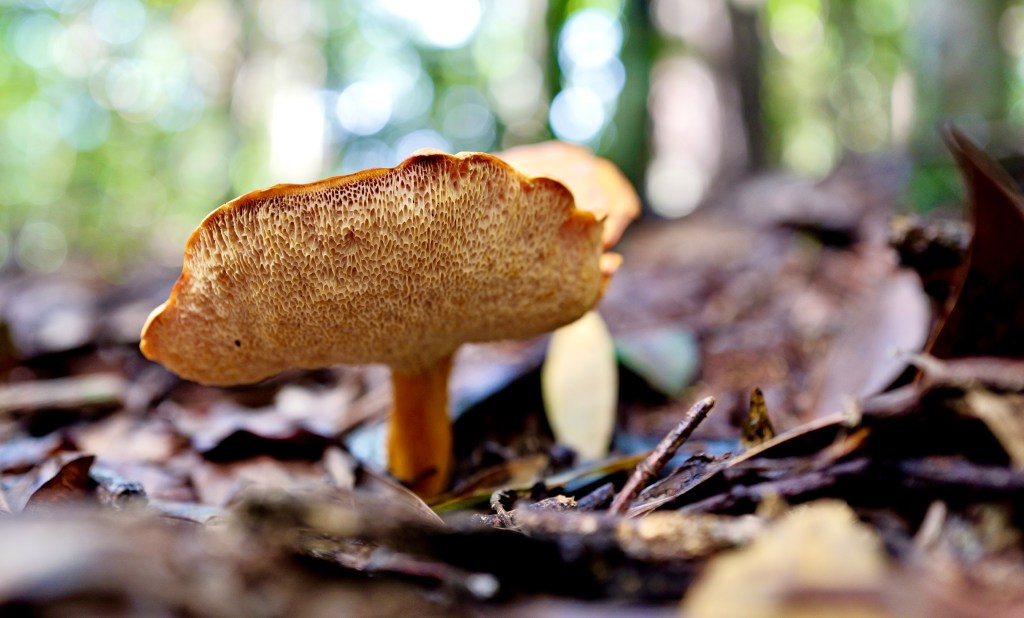
Most fungi are good guys and they are nature’s great recyclers and decomposers. If it wasn’t for the fungi the planet would be covered in masses of dead plant and animal matter.
Fungi contain a complex array of enzymes that break down cellulose and lignin, the key chemicals in plants and timber. They subsequently turn these into simple chemicals that can be more easily absorbed by plant roots so that they can grow more effectively. Nearly all trees have fungi growing on them called mycorrhizae, which help them extract nutrients from the soil.
Fungi are also essential for creating hollows in trees, which are critical habitats for birds, mammals, reptiles and all sorts of creatures. They also take advantage of every food resource and the photos below show an array of fungi growing on rabbit dung!
 Odyssey Bound
Leave a comment